

Mowing New Sod in Toronto: Timing, Height, and Best Practices

When to mow new sod is a common concern for many homeowners eager to establish a lush, green space. The anxiety surrounding this question often stems from the fear of damaging the tender grass roots or disrupting its establishment process. This worry is particularly prevalent in regions like Toronto and Markham, where the timing of mowing can vary depending on the season. For instance, sod installed in the spring generally establishes faster than that laid down in late fall, leading to different mowing readiness timelines.
Understanding the appropriate time for that first cut is crucial, as improper timing can hinder the development of your lawn. Mowing too soon can expose delicate roots, creating stress that leads to patchy growth or even die-off. Conversely, waiting too long may result in a tangled mess that becomes increasingly challenging to manage. Proper mowing techniques are key to maintaining a healthy lawn, ensuring it thrives and flourishes throughout its growing season.
By being well-informed about when to mow new sod and following best practices, you can confidently promote the health of your lawn while minimizing unnecessary anxiety. This guide will provide you with essential insights into the optimal timing, height, and frequency of mowing, empowering you to cultivate a vibrant and resilient sod lawn that enhances your outdoor space.
How Long to Wait Before First Mow
Rule of Thumb for Mowing Timing
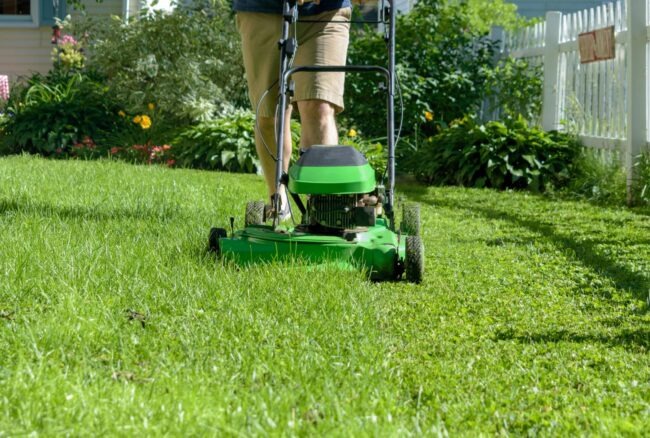
When considering when to mow new sod, a good general rule is to wait approximately 14 days after installation or until the grass reaches a height of about 4 to 6 inches. This height indicates that the roots have begun to establish themselves firmly in the soil and can resist gentle tugging without being uprooted. Rushing to the first mow of new sod can be detrimental, as cutting the grass too early may disturb the delicate root system, leading to patchy growth and an overall unhealthy lawn.
Guidelines to Follow for Successful Mowing
While the 14-day rule is a useful guideline, you should also consider the following factors to ensure a successful first mowing:
- Root Establishment: Check if the sod has taken root by gently tugging on a few patches. If the grass resists, it’s a sign that the roots are secure.
- Weather Conditions: Observe the weather patterns; avoid mowing during dry spells or immediately after heavy rainfall to prevent soil compaction.
- Sod Provider Recommendations: Always refer to the guidelines provided by your sod supplier, as they may have specific recommendations based on the grass variety and local conditions.
By adhering to these guidelines and choosing the right time for your first mow of new sod, you’ll create the optimal conditions for a thriving lawn in Toronto and Markham. Keep an eye on your grass’s height and health, and ensure you’re mindful of its needs during this critical early stage.
Ideal Mowing Height and Frequency
Recommended Cutting Height
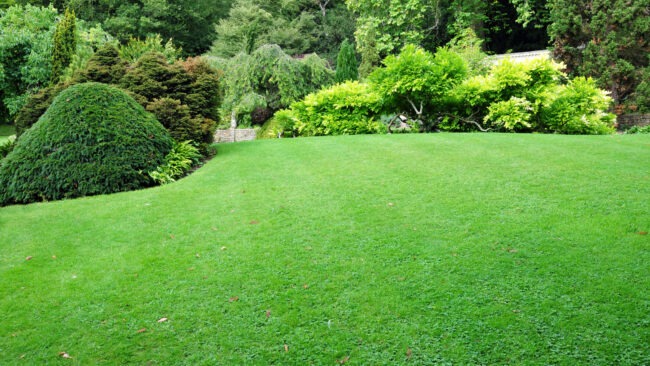
When determining the ideal mowing height for your new sod, particularly for a Kentucky Bluegrass blend, it is essential to maintain a height of approximately 3 inches. This height encourages healthy growth while promoting robust root development. Mowing new sod lawns too short can expose the soil beneath and lead to weed growth and increased moisture loss. Leaving the grass a bit taller, ideally between 3 to 3.5 inches during summer, can enhance drought resistance, helping the lawn retain moisture and withstand heat stress.
Mowing Frequency Guidelines
Understanding when to mow new sod is not just about height; frequency is equally important. During the growing season, typically in spring and summer, you may find yourself mowing approximately once a week. Regular mowing encourages a denser lawn, reduces weed competition, and promotes overall health. Here are some tips to guide your mowing frequency and practice:
- Follow the “1/3 rule”: Never cut more than one-third of the blade length at a time. This practice mitigates stress on the grass, allowing it to recover quickly and remain healthy.
- Adjust frequency based on growth: As temperatures drop in fall, grass growth may slow, resulting in the need for less frequent mowing.
- Observe the grass: Pay attention to the appearance of your lawn; if it’s looking overgrown or shaggy, it’s time to mow.
By adhering to these height and frequency guidelines, you’ll create optimal growing conditions for your new sod, contributing to a vibrant lawn that enhances the beauty of your property in Toronto and Markham.
Mower Preparation for New Sod

Best Practices for the First Mow
Preparing your lawn mower for the first mow of new sod is crucial to ensure your grass receives the best possible care. When considering when to mow new sod, take the time to ensure that your mower is in optimal condition. Here are some essential steps to follow before that first cut:
- Sharp Blades: Ensure that the mower blades are sharp. Dull blades tear the new grass, leading to uneven cuts and stress on the young plants. This damage can hinder their establishment and make them more susceptible to disease.
- Mower Deck Height: Set the mower deck to the highest or second-highest setting for the initial cut. Cutting too short can stress newly laid sod and expose it to weeds and pests. By keeping the grass taller initially, you’ll allow it to strengthen as it establishes itself.
Cleaning and Maintenance
In addition to adjusting the mower’s blades and height, cleaning your mower is essential to prevent the transfer of any potential diseases or fungi to your new sod. Here are some tips for proper cleaning and maintenance:
- Remove Debris: Clear any grass clippings, dirt, or debris from the mower deck and blades. This helps to maintain a clean mowing environment and reduces the risk of spreading pathogens.
- Wash Thoroughly: Use water and mild soap to wash the mower, focusing on the areas that come into direct contact with the sod. Pay particular attention to the blades and wheels, which can carry spores or fungus from previous mowing sessions.
- Inspect for Damage: Check for any damage or wear on the mower that could affect its performance. Address any issues before mowing to ensure a smooth and efficient process.
Ongoing Mowing Tips for a Healthy Sod Lawn

Monitoring Lawn Health
Maintaining a healthy sod lawn goes beyond just knowing when to mow new sod; it requires ongoing attention and care. Regularly observing your lawn’s health can prevent issues before they become significant problems. Here are some aspects to monitor:
- Grass Colour: Look for vibrant green hues; yellow or brown patches may indicate stress or nutrient deficiencies.
- Growth Rate: Assess how quickly the grass is growing to determine if you need to adjust your mowing frequency.
- Weed Growth: Keep an eye out for any emerging weeds, as they can compete with your sod for nutrients and water.
By paying close attention to these indicators, you can take timely actions to support your sod’s health and appearance.
Mowing Techniques for Success
When you decide it’s time for the next mowing session, implementing effective mowing techniques can ensure your sod remains healthy and vibrant. Here are some essential tips to follow:
- Follow the One-Third Rule: When considering when to mow new sod, remember to never cut more than one-third of the blade length at a time. This practice reduces stress on the grass, allowing it to recover more efficiently.
- Vary Your Mowing Pattern: Changing the direction of your mowing pattern each time can help prevent soil compaction and promote upright growth, resulting in a more robust lawn.
- Keep Mower Blades Sharp: Maintaining sharp blades is crucial for clean cuts; jagged edges can lead to increased susceptibility to disease.
Incorporating these ongoing mowing tips into your routine will not only enhance the overall appearance of your lawn but also contribute to its long-term health and sustainability. Regular attention, combined with effective mowing practices, ensures that your sod lawn will thrive, making a beautiful addition to your property in Toronto and Markham.
Cultivating Success with New Sod
Achieving a lush, even lawn takes patience, especially regarding the timing of your first mow. By understanding when to mow new sod and following best practices, you set the stage for robust growth and long-term health. A well-maintained lawn not only enhances the aesthetic appeal of your property but also ensures a thriving environment for your outdoor activities.
For further insights into comprehensive lawn care, we encourage you to read our Ultimate Sod Care Handbook, which covers essential topics such as watering and seasonal maintenance. If you didn’t lay your sod yourself, it’s crucial to ensure the installation was done correctly. Check out our Sod Installation Guide at royalsodding.ca for valuable tips and advice to ensure your lawn gets the best start possible.
Remember, the key to a successful lawn lies in careful planning and attention to detail. Stay informed about when to mow new sod and implement the recommended practices to nurture a vibrant green space. Take action today, and embark on your journey to cultivate a thriving lawn that you can enjoy for years to come!
Contact us today and connect with one of our friendly team members.