

Fall Sod Care in Toronto & Markham: Preparing Your Lawn for Winter

As autumn settles into the Greater Toronto Area, many homeowners turn their attention to fall lawn care in Toronto. The nights grow cooler, and vibrant leaves cascade gently to the ground, signalling a time for preparation. With the brisk air and colourful scenery, the pressing question remains: how do you effectively put your lawn to bed for winter?
Both Toronto and Markham experience similar fall conditions, making it crucial for residents to understand the necessary steps for a healthy transition into the colder months. This guide will cover everything from fall feeding to strategies that help winterize a sod lawn. By following these tips, you can ensure your lawn remains strong and resilient through winter, setting the stage for a lush spring revival.
Fall Lawn Care in Toronto: Getting Started

Fall Fertilization: (Feed the Roots)
When it comes to fall lawn care in Toronto, one of the most vital aspects is proper fertilization. Early and late fall feedings are crucial for ensuring your sod recovers well from the heat and stress of summer while building a solid foundation for winter.
In September, applying a balanced early fall fertilizer is essential for helping your lawn bounce back. Look for a product with an NPK ratio, such as Fairgreen’s Fall Fertilizer 10-0-20, which provides adequate nitrogen (N) and potassium (K) to support recovery while adhering to Ontario’s regulations on phosphorus.
As the season progresses into October and early November, it’s time to switch gears to a late fall “winterizer” fertilizer. This should be high in potassium, which promotes root strength and helps your lawn withstand the cold months ahead. It’s imperative to apply this fertilizer at least 2-3 weeks before the ground freezes to ensure proper absorption.
Here are some key points to keep in mind for fall fertilization:
- Early Fall Fertilizer: Helps sod recover from summer stress.
- Product Recommendation: Fairgreen’s Fall Fertilizer 10-0-20.
- Late Fall “Winterizer”: Focuses on root strength with high potassium.
- Timing: Apply at least 2-3 weeks before ground freeze to maximize effectiveness.
By taking these steps, you can efficiently winterize a sod lawn, ensuring it emerges lush and healthy come spring.
Overseeding and Repair (Early Fall)
As part of your fall lawn care in Toronto, overseeding in September is an effective strategy for addressing any thin or damaged areas of your sod. This time of year is ideal for overseeding, as the warm soil and mild days create perfect conditions for seed germination and growth. By enhancing your lawn’s density now, you can help it withstand the harsh winter months ahead.
To overseed on sod, follow these simple steps:
- Mow Shorter: Begin by mowing your lawn slightly shorter than usual to allow more sunlight to reach the soil and promote seed germination.
- Rake Lightly: Use a rake to lightly disturb the soil surface. This helps expose the soil and creates a better environment for the seeds to make contact with the earth.
- Spread Seed: Evenly distribute a high-quality grass seed mix over the bare or thin areas. Choose a blend that’s well-suited for your local climate and lawn type.
- Water Regularly: Keep the newly seeded areas consistently moist by watering them lightly but frequently. This is crucial for successful germination and establishment.
Overseeding not only fills in dead spots but also improves your lawn’s overall density, making it more resilient to winter damage. By undertaking this essential step in your winter lawn care preparation, you can ensure a robust and lush lawn when spring arrives.
Fall Lawn Care in Toronto: Looking After Sod

Leaf Management
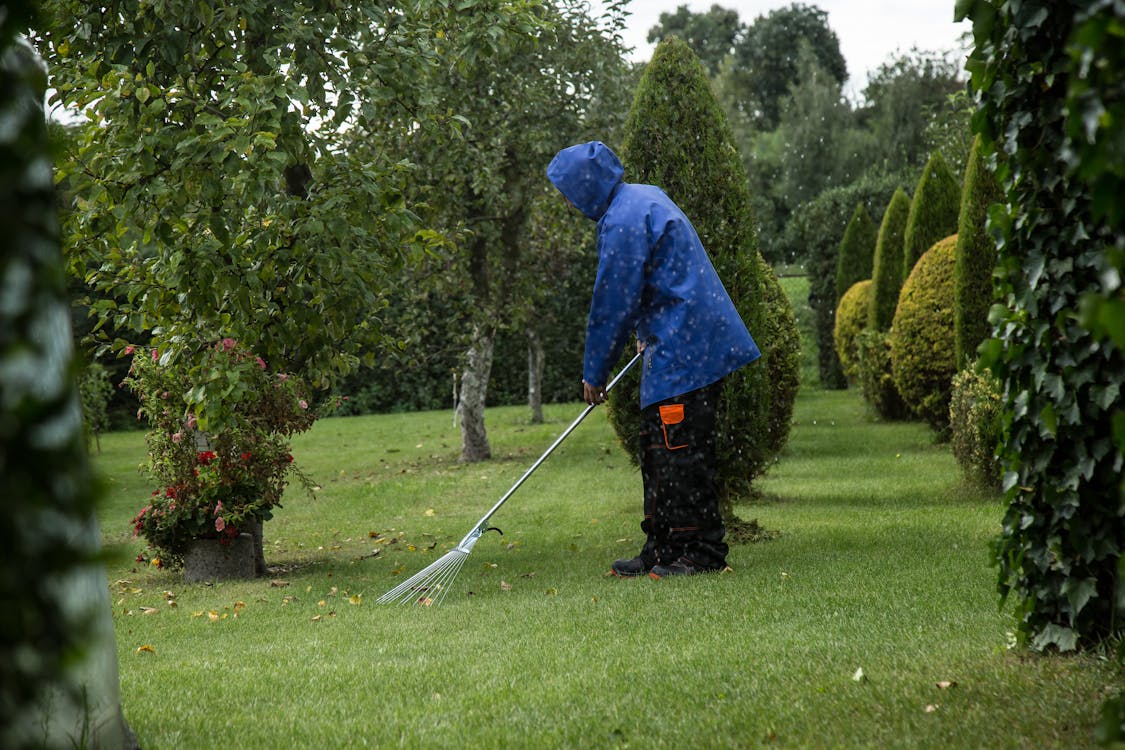
Effective leaf management is essential during the fall months to maintain the health of your lawn. In Markham’s suburban neighbourhoods and Toronto’s tree-lined streets, allowing leaves to pile up on sod can smother the grass, trapping moisture and inviting mould growth. To prevent this, it’s crucial to be proactive in removing leaves from your lawn.
If the leaves are sparse, one effective method is to mulch them with your mower. This process not only cuts the leaves into smaller pieces but also adds organic matter back into the soil, enriching it over time. Conversely, if you find yourself with a heavier layer of leaves, raking or blowing them off your lawn is necessary to avoid potential damage.
Here are some practical tips for managing leaves:
- Mulch: Use a mulching mower to finely chop sparse leaves, returning nutrients to the soil.
- Rake/Blow: If leaves accumulate heavily, use a rake or leaf blower to clear them off your lawn.
- City Pickup: Refer to city yard waste pickup schedules for convenient removal of bagged leaves to keep your yard tidy.
By integrating effective leaf management into your fall lawn care in Toronto, you can ensure your sod remains healthy and vibrant, setting the stage to successfully winterize a sod lawn and foster strong growth when spring returns.
Aeration and Topdressing (Fall Conditioning)
If you haven’t aerated your lawn in spring, fall is the best time to implement this essential practice. Aerating in early fall helps alleviate soil compaction, allowing vital nutrients and fertilizers to penetrate deeper into the soil. This process creates openings in the ground, promoting better airflow and water absorption, which are crucial for robust lawn health.
Following aeration, topdressing with a thin layer of quality soil or compost can significantly enhance soil health. Fairgreen’s topdressing soil mix can be an excellent choice for this. It provides essential nutrients that will support your sod’s root growth and facilitate thatch decomposition over winter. This practice not only boosts the effectiveness of your fertilization efforts but also prepares your lawn to withstand the winter months.
Here are some key benefits of aeration and topdressing:
- Alleviates soil compaction for enhanced nutrient absorption.
- Promotes better airflow and drainage within the soil.
- Supports root growth and fosters healthier sod.
- Aids in the decomposition of thatch, preventing future buildup.
By incorporating aeration and topdressing into your fall lawn care in Toronto, you can ensure your sod is well-conditioned for the winter, setting a strong foundation for vibrant growth when spring arrives.
Fall Lawn Care in Toronto: End Steps
Final Mow and Lawn Clearing (Late Fall)
As the growing season comes to a close, your final mow is a crucial step in your fall lawn care in Toronto. This should be done when the grass has slowed its growth, typically in late October or early November. Cutting the grass slightly shorter than usual—around 2 inches—will help minimize matting under snow while still protecting the crown of the grass.
In addition to the final mow, ensure you remove any debris, toys, or furniture from your lawn. Items left on the grass over winter can lead to damage, killing the grass underneath or leaving unsightly marks when the snow melts.
Here are a few essential steps to consider:
- Mow grass to approximately 2 inches to prevent matting.
- Remove any lawn furniture, toys, or debris.
- Clear leaves and organic matter to prevent mould growth.
This process, known as winterizing, is essential for ensuring that your lawn not only survives the cold months but also thrives when spring arrives. Taking these measures helps protect your investment in your landscaping while also promoting a healthy and vibrant revival of growth once the warmer weather returns.
Winter Protection Tips
During the winter months, protecting your lawn is essential to ensure its health for the upcoming spring. Here are some crucial tips to consider for maintaining your sod during this cold season:
- Avoid Salt Damage: Use pet-safe or lawn-safe de-icer along driveways and sidewalks near the grass. If you must use traditional salt, plan to flush those areas in spring to reduce any potential damage.
- Mark Driveway and Path Edges: To prevent snow plows or shovels from tearing up your sod, consider marking the edges of paths and driveways with stakes or brightly coloured markers.
- Limit Traffic on Frozen Grass: Avoid heavy traffic on frozen or dormant grass, as this can break the crowns and damage the lawn. Minimize walking on your sod during mid-winter whenever possible.
- Watch for Snow Mould: In areas with heavy snow, such as Markham, if your lawn has a history of snow mould, consider applying a spring fungicide. However, in most cases, simply raking the lawn in spring is sufficient to address any minor issues.
By implementing these winter lawn care strategies, you will not only safeguard the health of your sod during the colder months but also lay a strong foundation that will contribute to a vibrant and lush recovery once spring arrives. Taking proactive steps now can significantly enhance the resilience and appearance of your lawn when warmer weather brings growth and renewal.
Help with Lawn Care in Toronto
Investing time and effort into your fall lawn care will undoubtedly pay off with a healthier and more vibrant lawn come spring. By following the steps outlined in this guide, you can create a strong foundation that supports your sod through the winter months. Utilizing quality products, such as Fairgreen’s soil and fertilizers, will enhance your lawn’s resilience and overall health.
For those looking to deepen their understanding of lawn maintenance throughout the year, we encourage you to explore the Ultimate Sod Care Handbook. This resource offers valuable insights and additional details that may have been missed, ensuring you are well-prepared to tackle your lawn care needs.
If you’re considering any new landscaping or sod installation next spring, now is the perfect time to prepare. Taking steps in the fall can set you up for success when the weather warms. Be sure to check out our soil preparation and sod products pages for proactive solutions tailored to your needs.
Contact us today to connect with a team member who can help you find what you need for all your Fall lawn care in Toronto and more.