

New Sod Installation FAQ: Your Top Questions Answered
Many homeowners and contractors struggle during the first few weeks after installing sod. Without clear guidance, simple steps like watering, mowing, or checking early root growth can feel uncertain — and small mistakes often lead to gaps, wilting, or poor establishment. It’s frustrating to invest in a new lawn only to watch it decline because the early care wasn’t clear.
These problems tend to snowball. Overwatering causes rot, underwatering dries out seams, mowing too soon tears the roots, and poor soil preparation leaves the sod uneven or thin. Without trusted answers, your investment can quickly lose its strength and appearance.
This new sod installation FAQ gives you the clarity you need. With expert-backed advice on watering schedules, rooting timelines, soil preparation, mowing practices, and early troubleshooting, you’ll know exactly how to support your lawn through its most important phase. Combined with Fairgreen’s mature, pre-fertilized Kentucky Bluegrass, these steps help you establish a healthy, long-lasting lawn with confidence.
For more information on sod selection, installation, and care, be sure to read our guide, “Choosing and Installing Sod.”
How long should I wait after laying sod before watering?
Begin watering within 30 minutes of installation. Sod needs immediate moisture to bond with the soil and prevent stress. Apply 2–3 cm (approximately 1 inch) of water during the first soak so it reaches the topsoil underneath.
For the first two weeks, keep the soil consistently moist by watering daily (or more often in hot or windy weather). Early, deep watering is one of the most effective ways to prevent shrinkage, gaps, and poor root development.
How do I know if my sod is rooting properly?
Roots typically begin forming after 10–14 days. Gently lift a corner of the sod — if it resists lifting, it’s rooting; if it lifts easily, it needs more time.
Avoid heavy foot traffic during this period and keep the soil evenly moist. Uneven colour or wilting can signal poor contact or inconsistent watering, so check moisture and look for compacted spots. Strong rooting means your lawn is ready for reduced watering and light use.
Can I walk on new sod immediately?
Avoid walking on new sod for the first two to three weeks. Roots are delicate, and foot traffic can shift sections or tear young roots.
If you must access the area for watering, step lightly and distribute your weight. Keep pets and children off the lawn until rooting has begun. Once the sod resists lifting, light foot traffic is safe, but avoid heavy use until the lawn is fully established.
How soon can I mow newly installed sod?
Most lawns are ready for the first mow after about two weeks, once the sod has begun rooting. Before mowing, gently test a corner to ensure it doesn’t lift.
Set your mower blades high and remove no more than one-third of the grass height. Avoid watering right before mowing, as soft soil makes the sod more vulnerable to shifting. Additional fertilizing isn’t needed for 6–8 weeks because Fairgreen sod is pre-fertilized before harvest.
What soil type works best for sod?
The best soil for sod installation includes at least 4 inches of quality topsoil containing organic matter and a balanced mix of sand, silt, and clay.
If your existing soil is poor, add topsoil or compost to improve structure and drainage. Proper grading ensures water flows away from your home and doesn’t pool in low spots.
A soil test can help identify nutrient needs before installation. Good soil preparation leads to faster rooting and easier lawn care.
How do I prevent gaps between sod seams?
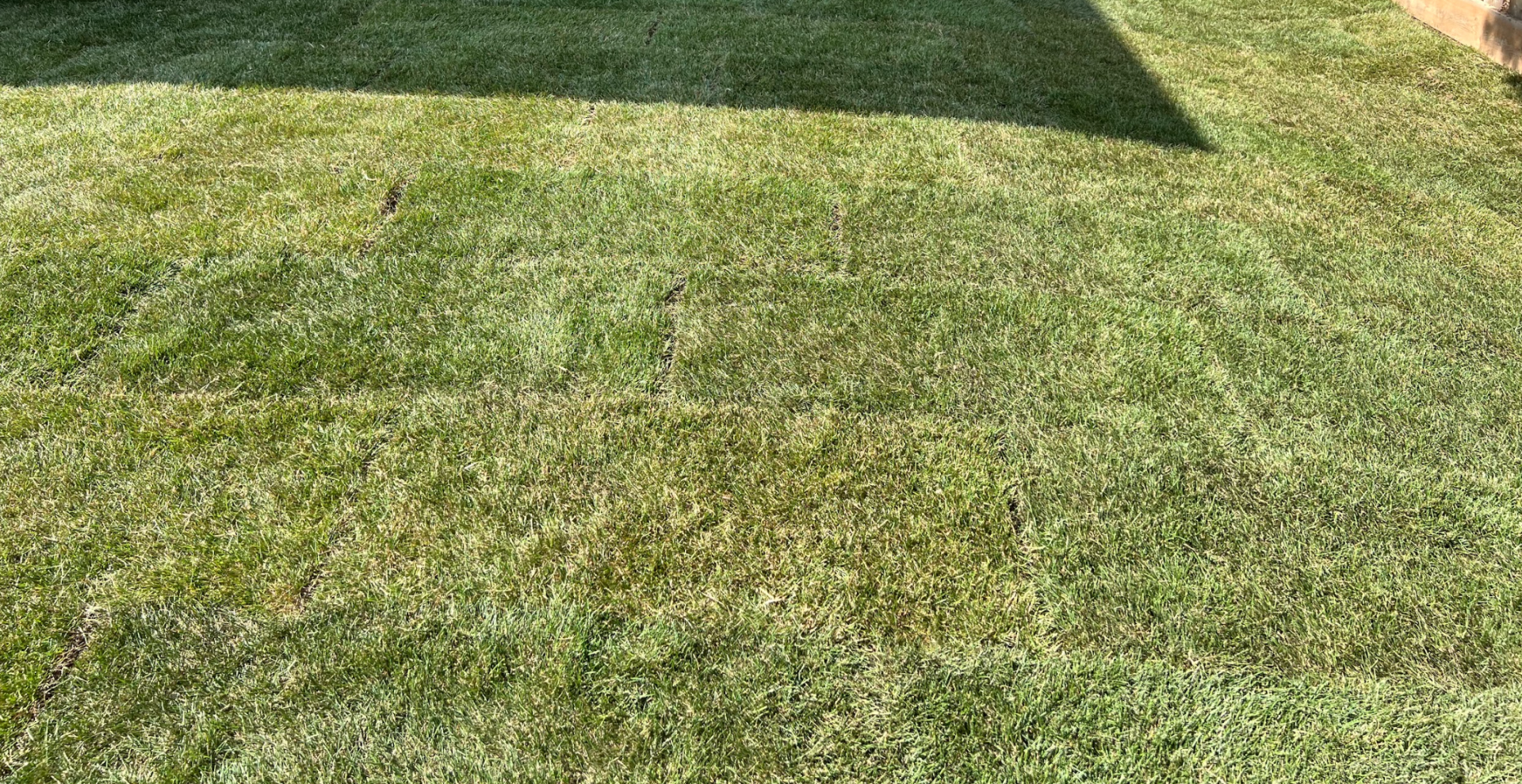
Start along a straight edge, butt each piece tightly, and stagger seams like brickwork. Avoid stretching sod, trim pieces instead to maintain tight edges. Keep sod consistently moist during the first two weeks to prevent edges from drying out, this also helps it settle and take root. If gaps appear later, fill them with small sod pieces or soil and water well.
Should I fertilize immediately after installation?
No, wait six weeks. Fairgreen sod is pre-fertilized, so early fertilizing is unnecessary and may burn tender roots. When you do fertilize, choose a product based on your soil test and water afterward to help nutrients reach the root zone.
What’s the ideal watering schedule for new sod?
- Immediately after installation: Water deeply, at least 1 inch.
- Days 1–7: Water deeply every day
- Days 8–14: Water every other day, typically
- Weeks 3–4: Twice a week
- After week 6: Switch to deep, infrequent watering, about 1–1.5 inches per week, depending on rainfall.
Always adjust based on temperature, sunlight, and soil conditions.
What’s the best technique for rolling new sod?
Most homeowners don’t own a roller, and rolling isn’t necessary with proper watering. But if you do have a roller, roll the lawn after laying the sod, before the first watering. Use a roller filled halfway with water to press the sod into the soil without creating ruts. Roll in multiple directions for even contact. Rolling removes air pockets, improves root-to-soil bonding, and helps prevent shrinkage, a small step that leads to better long-term results.
How do I fix uneven sod in my new lawn?
For raised or sunken areas, gently lift the sod and add or remove soil underneath. Press it back into place and roll the area to re-establish contact.
For minor low spots, add a thin layer of soil or compost and rake it evenly.
Water repaired areas thoroughly so the soil can settle. Addressing unevenness early prevents long-term maintenance issues.
How do I handle weeds during sod establishment?
Hand-pull weeds that appear in the first six weeks. Avoid herbicides, as chemicals can stress young turf (Note that chemical herbicides can’t be used in Ontario. Certain modern herbicides can be used, such as Fiesta).
Tight seams, proper watering, and healthy soil greatly reduce weed pressure. If dry patches appear, increase watering. Stressed sod leaves openings where weeds thrive.
How long until my new sod becomes a fully established lawn?
Most cool-season sod is considered fully established in six weeks, though shallow roots begin forming around week two.
You can test by gently lifting a corner: strong resistance means the sod is secure. Avoid heavy use, aeration, or major landscaping until the lawn is fully rooted.
Consistent watering and mowing help the lawn mature evenly.
When is the best time of year to lay new sod?
Spring and fall are ideal in Ontario due to moderate temperatures and steady moisture.
Fall is particularly favourable: cooler nights, warm days, and reduced weed pressure help sod establish before winter.
Spring installations also perform well, but summer installs require more intense watering due to heat stress.
Final Thoughts
Starting with high-quality sod and following proper early-care steps sets your lawn up for long-term success. With Fairgreen’s mature, pre-fertilized Kentucky Bluegrass and the guidance in this FAQ, you can avoid common mistakes and enjoy a strong, healthy lawn. For personalized recommendations, soil advice, or assistance with placing an order, please don’t hesitate to contact us.